Culture and leisure
Culture and leisure represent far more than passive entertainment—they form the connective tissue of human experience, offering opportunities for personal growth, social connection, and meaningful engagement with the world around us. Whether you’re stepping into a museum for the first time, navigating the complexities of a multi-day music festival, or trying to understand the unwritten rules of theater attendance, the cultural landscape can feel both inviting and intimidating in equal measure.
The modern cultural participant faces unique challenges: balancing virtual and physical experiences, understanding diverse etiquette across different settings, managing sensory overwhelm at large events, and curating meaningful experiences in an age of algorithmic content. This comprehensive resource addresses the foundational knowledge you need to engage confidently with cultural and leisure activities, from practical logistics to the subtle social dynamics that shape our interactions in these spaces.
Understanding Cultural Etiquette in Diverse Settings
Navigating cultural spaces requires awareness of both universal principles and context-specific norms. The foundation of respectful cultural engagement rests on active observation and a willingness to adapt your behavior to different environments.
The Participation-Observation Balance
One of the most delicate decisions cultural participants face involves knowing when to actively engage and when to step back. At cultural festivals, for example, some rituals welcome outsider participation while others are meant for observation only. The key indicator is often the presence of explicit invitation—through signage, verbal encouragement from organizers, or the visible participation of diverse attendees. When in doubt, observing from a respectful distance demonstrates cultural sensitivity far better than uninformed participation.
Photography Ethics and Permission
The ubiquity of smartphone cameras has created tension in cultural spaces. Beyond official photography policies, consider the contextual appropriateness of capturing images. Religious ceremonies, intimate performances, and certain cultural demonstrations may permit photography legally while finding it culturally disrespectful. A useful principle: if you must ask whether a photo is appropriate, the act of taking it likely merits a brief conversation or observation of what others are doing first.
Language Effort and Gift-Giving Protocols
When engaging with cultures different from your own, even minimal language effort—learning basic greetings, “please,” and “thank you”—signals respect and openness. Similarly, gift-giving customs vary dramatically across cultural contexts. Research whether gifts should be opened immediately or later, whether certain colors or numbers carry negative connotations, and whether reciprocity is expected. These small details transform transactions into meaningful cultural exchanges.
Navigating Digital and Non-Physical Art Forms
The rise of digital art, NFTs, virtual performances, and screen-based installations has fundamentally challenged traditional frameworks for evaluating artistic quality and authenticity. Understanding how to appreciate these forms requires expanding beyond physical presence and tangible materials.
Assessing Technical Skill in Digital Media
Digital art evaluation involves recognizing the technical complexity underlying seemingly simple works. A minimalist digital animation may represent hundreds of hours mastering software, understanding color theory in screen-based media, and solving technical challenges invisible to viewers. Look for consistency in execution, intentional use of digital-specific techniques like procedural generation or interactivity, and the artist’s ability to exploit the medium’s unique capabilities rather than merely replicating traditional art digitally.
The Emotional Connection Question
Critics often claim digital art lacks the “aura” of physical works, but this perspective overlooks how digital forms create their own emotional resonances. Interactive installations that respond to viewer movement, generative art that exists uniquely in each moment, and digital works that evolve over time offer experiences impossible in static physical media. The emotional connection stems not from materiality but from the relationship between concept, execution, and viewer experience.
Preservation and Display Challenges
Collecting and preserving digital art presents unique challenges. File format obsolescence, hardware dependency, and authentication questions complicate long-term preservation. Responsible collectors document the technical specifications required to display works properly, maintain relationships with artists for guidance on updates or migrations, and recognize that “owning” digital art may mean stewardship of an experience rather than possession of an object.
Virtual Versus Physical Cultural Experiences
The expansion of virtual museums, streamed performances, and digital cultural experiences has sparked ongoing debate about whether these alternatives can truly replicate physical attendance. The reality is more nuanced than simple replacement or equivalence.
Virtual experiences excel in accessibility and educational reach. Someone unable to travel to major museums can examine high-resolution images revealing details invisible to in-person viewers standing at a prescribed distance. Recorded performances can be paused, rewound, and studied in ways impossible during live attendance. Educational retention often improves when learners can control pacing and revisit complex information.
However, virtual experiences face inherent sensory limitations. The scale of monumental sculpture, the texture of oil paint, the acoustic properties of concert halls, and the collective energy of live audiences cannot be fully translated through screens. The social isolation factor matters significantly—cultural experiences often derive meaning from shared presence, spontaneous conversations with strangers, and the knowledge that you’re witnessing something ephemeral alongside others.
Cost considerations cut both ways. Virtual access often costs less and eliminates travel expenses, democratizing cultural participation. Yet implementing high-quality virtual experiences requires significant technological investment, and the hygiene and safety concerns that accelerated virtual adoption may not justify permanent replacement of physical experiences once circumstances improve.
Managing Large-Scale Event Attendance
Concerts, festivals, and major cultural gatherings offer unparalleled experiences but can quickly become overwhelming without proper preparation. Successfully navigating these environments requires attention to both physical logistics and emotional regulation.
Sensory Protection and Venue Safety
Hearing protection isn’t optional for loud events—it’s essential. High-fidelity earplugs reduce volume while preserving sound quality, protecting your hearing without diminishing the experience. Research venue safety logistics before arrival: locate multiple exits, identify medical stations, and note less-crowded areas for retreat if needed. Understanding the physical layout reduces anxiety and enables quicker response to discomfort.
Solo Attendance Strategies
Attending events alone offers freedom but requires extra safety awareness. Share your location and schedule with someone outside the event, maintain phone battery through portable chargers, and establish a personal check-in schedule. Many solo attendees find that their independence actually facilitates spontaneous social connections—you’re more approachable alone and free to move according to your own interests rather than group consensus.
Ticket Market Navigation and Post-Event Regulation
Securing legitimate tickets at fair prices requires vigilance. Purchase directly from official vendors when possible, verify seller reputation on secondary markets, and recognize that deals significantly below market value often indicate fraud. After intense events, many people experience post-event emotional crashes—a combination of physical exhaustion, sensory recovery, and the psychological letdown after peak experiences. Planning for rest, gentle reentry to routine, and processing time helps manage this predictable response.
Thriving at Multi-Day Outdoor Festivals
Multi-day outdoor festivals compress numerous logistical challenges into a condensed timeframe. Success requires treating attendance as a planning exercise in resource management and self-care.
The essential priorities for outdoor festival survival include:
- Hydration and stamina management: Drinking water consistently throughout the day, not just when thirsty, and consuming adequate electrolytes prevents the dehydration that causes most festival health issues
- Dietary planning: Packing nutrient-dense, non-perishable foods supplements expensive vendor options and maintains energy levels
- Theft prevention: Using lockable bags, dividing valuables among multiple secure locations, and never leaving tents unattended during peak hours
- Budget management: Calculating total costs including hidden expenses like parking, locker rentals, and emergency supplies prevents mid-festival financial stress
- Group coordination protocols: Establishing meeting points, backup communication plans for areas without cell service, and clear expectations about togetherness versus independent exploration
The difference between a challenging outdoor festival and a genuinely dangerous situation often comes down to preparation in these fundamental areas. Experienced festival-goers treat comfort and hygiene not as luxuries but as necessities that enable sustained enjoyment across multiple days.
Accessing High Culture Performance Arts with Confidence
Opera, ballet, classical music, and theater often carry reputations for exclusivity that discourage potential attendees. This intimidation factor is largely constructed rather than inherent—performance arts venues actively want new audiences and have become increasingly welcoming to first-time visitors.
Demystifying Dress Codes and Seat Selection
Dress code anxiety prevents countless people from attending performance arts. The reality in most venues: business casual is universally acceptable, and true formal wear is rarely required outside opening nights and special galas. When in doubt, contact the venue directly—they’d rather answer questions than lose attendees to uncertainty. Regarding seat selection, the “best” seats depend on your priorities. Orchestra seats offer proximity and detail, while dress circle or mezzanine positions provide superior sightlines for dance and staging. Budget-conscious attendees often find upper balconies deliver excellent acoustics at fraction of premium prices.
Understanding Dramatic Structure and Intermission Expectations
Familiarity with basic dramatic structure—exposition, rising action, climax, resolution—helps you follow unfamiliar works and appreciate how contemporary pieces subvert these conventions. Intermissions serve multiple purposes: biological necessity, socializing opportunity, and dramatic pacing. Use this time to process what you’ve experienced, but avoid detailed plot discussions in crowded lobbies where you might spoil surprises for others.
Developing Critical Appreciation
Critical appreciation doesn’t require expertise—it requires thoughtful attention and willingness to articulate your responses. Consider what choices you noticed (staging, pacing, interpretation), what emotional reactions you experienced, and what questions the performance raised. Your perspective as a newer audience member offers validity; the art succeeds or fails partly based on its ability to communicate beyond specialist circles.
Building Connections Through Cultural Spaces
Museums, galleries, cultural centers, and performance venues serve as natural social spaces, yet many visitors overlook their networking and relationship-building potential. Strategic engagement with these environments can transform solitary cultural consumption into meaningful social connection.
Cultural spaces offer built-in conversation starters—shared reactions to artwork, questions about exhibits, or mutual interest in programming. The key is approaching interactions with genuine curiosity rather than agenda. Solo visiting actually enhances connection opportunities; you appear more approachable alone and can move at a pace conducive to spontaneous conversation.
For those interested in cultural spaces as dating venues, they offer significant advantages over traditional settings: the environment suggests shared values and interests, conversations flow naturally from surrounding stimuli, and the activity reduces pressure compared to face-to-face meals. Membership programs at cultural institutions provide repeated exposure benefits—you’ll recognize fellow regular visitors, staff members remember you, and special events create networking opportunities within a defined community of shared interest.
The Evolving Landscape of Cinema and Film Culture
The film industry’s shift toward franchise-dominated content has fundamentally altered both the economics of cinema and the cultural experience of movie-going. Understanding these changes helps viewers navigate the current landscape intentionally.
Franchise films operate on a different economic model than traditional cinema. The economics of spectacle mean that studios invest hundreds of millions creating visual experiences that justify theatrical attendance, then recoup costs through merchandising, streaming rights, and sequential releases. Visual effects evolution has made the previously impossible routine, changing audience expectations for what cinema can deliver.
The theatrical experience itself has become a premium product. Advanced sound systems, expanded screens, luxury seating, and event-style premieres position cinema-going as an occasion rather than casual entertainment. Streaming release windows have compressed dramatically—films that once remained exclusive to theaters for months now arrive on home platforms within weeks, forcing theaters to compete on experience rather than exclusive access.
This transformation raises questions about cinema’s cultural role. Does the franchise model’s emphasis on pre-established intellectual property and cross-media storytelling enrich or impoverish film culture? The answer likely depends on whether these blockbusters serve as entry points that build audiences for diverse films or as substitutes that crowd out alternative voices.
Curating Personal Cultural Consumption
Algorithmic recommendation systems shape cultural consumption in powerful but often invisible ways, creating filter bubbles that simultaneously personalize and limit exposure. Intentional curation reclaims agency over what you consume and how you discover new content.
Start by diversifying your sources. Streaming platform alternatives—independent cinemas, library systems, curated newsletters, and critic-driven recommendations—introduce works outside algorithmic assumptions about your preferences. Physical media collection, despite seeming anachronistic, offers permanent access independent of licensing agreements and algorithmic availability. Building a carefully chosen collection creates a personal canon reflecting your actual values rather than predicted preferences.
Understanding pacing differences across cultural products improves appreciation. The deliberate pacing of arthouse cinema, the contemplative rhythm of literary fiction, or the patient development of album-oriented music require different engagement modes than algorithm-optimized content designed for immediate gratification and maximum retention. Supporting creators directly through subscriptions, purchases, and attendance rather than exclusively through ad-supported platforms ensures sustainable production of the work you value.
Finally, community engagement transforms passive consumption into dialogue. Discussion groups, online communities focused on specific cultural forms, and local cultural organizations provide contexts for processing and deepening your understanding. The cultural experiences that resonate most powerfully are rarely consumed in isolation—they become meaningful through conversation, debate, and shared interpretation.
Culture and leisure offer limitless opportunities for growth, connection, and joy when approached with curiosity, preparation, and respect. Whether you’re taking your first steps into unfamiliar cultural territory or deepening existing engagement, the practices outlined here provide foundations for more confident, meaningful participation in the rich landscape of human cultural expression.

Beyond the Algorithm: How to Discover Indie Films That Netflix Hides?
The secret to finding great indie films isn’t a better streaming service, but a fundamental shift from passive consumer to active curator. Mainstream algorithms create “epistemic bubbles” that limit your worldview by hiding diverse, non-commercial cinema. True discovery involves building…
Read more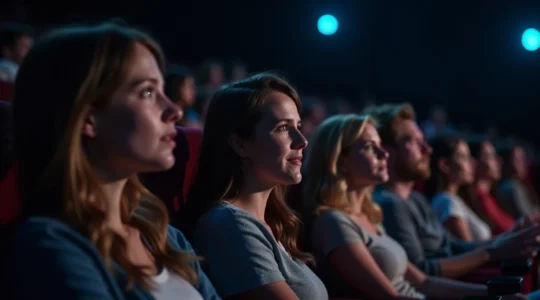
Franchise Fatigue: Why Do We Keep Watching Sequels We Complain About?
Contrary to popular belief, franchise fatigue isn’t a sign of Hollywood’s lack of ideas, but the predictable result of an economic system that prioritizes risk-averse, billion-dollar assets over original storytelling. Blockbuster budgets have become so massive that only pre-existing Intellectual…
Read more
Beyond the Canvas: The Social Strategist’s Guide to Art Gallery Networking
Contrary to popular belief, effective networking at art galleries has little to do with your opinion on the art. The art is the ‘game board,’ not the main event; the real focus is the flow and interaction of the people…
Read more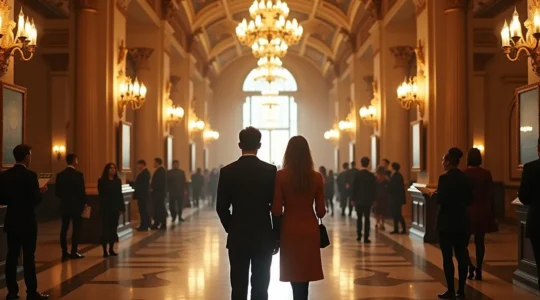
Theater Etiquette for Beginners: How to Feel Comfortable at Your First Play?
In summary: Theater etiquette isn’t about rigid rules but about practical strategies for a better collective experience. Key anxieties like seating, dress code, and intermission can be managed with simple insider knowledge. Understanding the ‘why’ behind traditions transforms them from…
Read more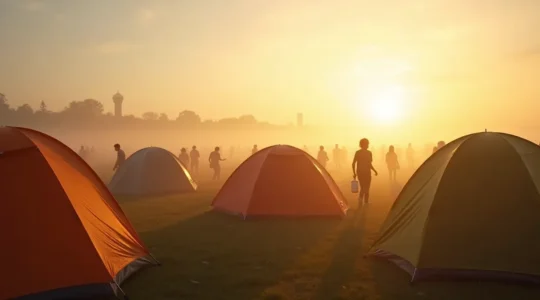
Festival Hygiene Is a Lie: Here’s How to Actually Survive Camping
Staying clean at a festival isn’t about hygiene products; it’s a strategic battle against resource scarcity that you win before you even leave home. Your body is a “human battery” that requires careful management of electrolytes and fuel, not just…
Read more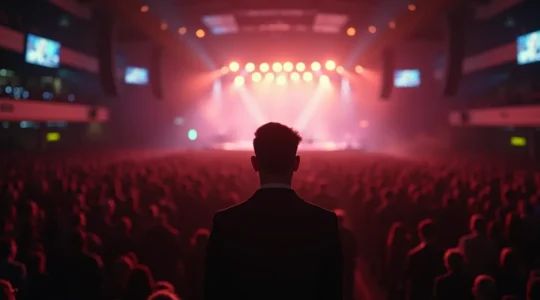
Enjoy Live Concerts Without Panic: A Strategic Guide for Crowded Venues
The intense love for live music often clashes with the paralyzing fear of crowds and sensory overload. The solution isn’t to just ‘cope,’ but to proactively design a personal “Concert Operating System.” This guide reframes anxiety management from a passive…
Read more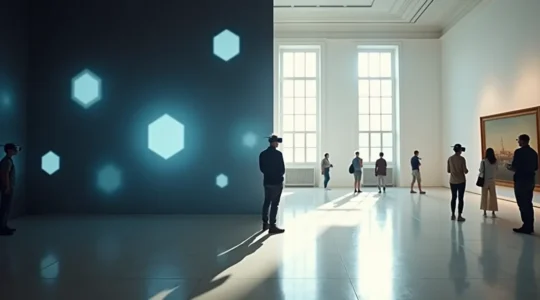
VR Exhibitions vs. Traditional Museums: Can Technology Replace Physical Art?
The debate isn’t about replacing physical art, but about understanding VR’s true operational cost and unique artistic potential as a separate medium. Virtual reality introduces significant ‘experiential friction,’ including motion sickness and complex sanitization logistics, impacting the visitor journey. High-tech…
Read more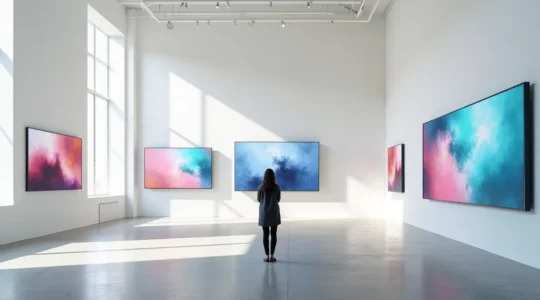
Understanding Digital Art: A Curator’s Guide to Evaluating Quality Beyond the Screen
Contrary to the market hype, the true value of digital art isn’t found on the blockchain, but in the same artistic principles that govern a masterpiece on canvas. Quality is judged by technical execution (pixel-perfect composition) and conceptual depth, not…
Read more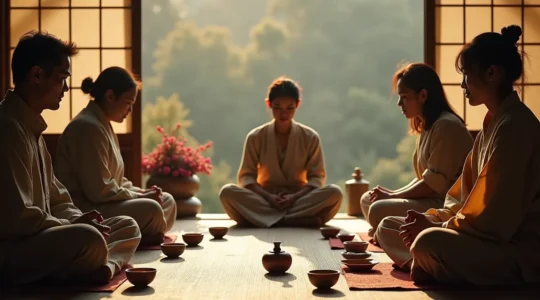
How to Experience Local Traditions Authentically Without Being a Voyeur?
Contrary to popular belief, respectful travel isn’t about memorizing a list of rules, but about a fundamental shift from a passive “tourist gaze” to an active participant’s mindset. Authenticity is born from understanding the “why” behind a custom, not just…
Read more