Fashion and beauty
Fashion and beauty represent far more than surface-level aesthetics—they form a complex language of self-expression, cultural identity, and practical problem-solving. Whether you’re navigating the resurgence of nostalgic trends, decoding the technical specifications of a hoodie, or learning why your favorite cashmere sweater keeps pilling, understanding the foundational principles behind style choices transforms how you approach your wardrobe. The difference between looking assembled and looking polished often lies not in budget, but in knowledge.
This comprehensive resource breaks down the essential pillars of modern fashion and beauty into actionable insights. From mastering proportions across different body types to understanding the psychology of luxury branding, from selecting the right fabric weight for your climate to preserving investment pieces for years, these interconnected topics form the toolkit every informed consumer needs. The goal isn’t to follow every trend, but to understand the mechanics behind style so you can make confident, intentional choices that reflect your lifestyle and values.
Understanding Fashion Cycles and Trend Navigation
Fashion operates on predictable cycles, with trends typically resurging every 20-30 years as new generations reinterpret the aesthetics of their parents’ youth. This phenomenon, known as the nostalgia cycle, explains why Y2K trends—low-rise jeans, butterfly motifs, visible logos—have returned with force. However, direct replication rarely works for adult wardrobes that must balance personal expression with professional requirements and age-appropriate styling.
The key challenge lies in adapting historical trends to modern standards. What felt cutting-edge in the early 2000s often relied on silhouettes and fits that don’t translate well to contemporary body diversity awareness or workplace expectations. Think of trend navigation like translating a recipe from another culture—the core flavors remain, but proportions and techniques need adjustment for your context. A low-rise jean might become a mid-rise with strategic tailoring; the Y2K makeup palette shifts from frosted to dewy finishes.
When sourcing pieces, you’ll face the choice between authentic vintage items and modern reproductions. Vintage offers unique construction quality and true-to-era details, but may require alterations and comes with sizing inconsistencies. Fast fashion reproductions provide convenience and contemporary fits, but often sacrifice fabric quality and longevity. For office environments specifically, the solution often involves isolating one trend element—a nostalgic silhouette or color palette—while keeping everything else classic and structured.
Mastering Fit and Proportions Across Body Types
Visual balance forms the foundation of flattering style, regardless of current trends. Understanding proportion means recognizing how different garment volumes interact with your frame to create harmony or discord. The most common mistake? Treating sizing as universal rather than understanding how specific cuts work with individual body geometry.
The Visual Mathematics of Balance
When combining garment pieces, you’re working with visual weight—the perceived heaviness or bulk of each item. A general principle suggests balancing volume: if you’re wearing oversized denim on bottom, a more fitted top creates equilibrium. However, this isn’t an absolute rule. For petite frames specifically, oversized denim creates a completely different visual impact than on taller bodies, often shortening the leg line and overwhelming the silhouette unless carefully managed.
The solution involves strategic techniques:
- Hemming to the precise break point where pants meet shoes—even a single inch affects proportion dramatically
- Selecting the right denim weight (lighter weights drape differently than rigid, heavy denim)
- Choosing shoe styles that either visually elongate (pointed toes, low vamps) or anchor (chunkier soles for intentional contrast)
- Creating vertical lines through details, seams, or layering choices
Common Fit Issues and Their Solutions
Most fit problems stem from garments designed for average proportions meeting real-world body diversity. Waist gaps, pulling across shoulders, or the dreaded “knee bag” phenomenon in joggers all signal construction that doesn’t match your specific measurements. Rather than accepting poor fit, understanding alteration possibilities transforms your options. Simple fixes like tapering, shortening, or taking in waistbands cost relatively little but dramatically improve how clothes function on your body.
Fabric choice also affects fit success. Structured fabrics with some body hold their shape and can actually camouflage minor fit issues, while very thin or clingy materials reveal every construction flaw. When adapting revealing trends for more elegant styling, this becomes crucial—choosing ponte knits over jersey, or lined garments over single-layer pieces, provides the coverage and structure needed for versatile wear from day to night.
The Art of Strategic Accessorizing
Accessories function as the highest-impact, lowest-investment tool for wardrobe versatility. A single statement necklace can transform a basic outfit’s entire mood, yet many people either under-accessorize from uncertainty or over-accessorize without understanding visual weight and balance.
Think of accessorizing like seasoning food—the right amount enhances, but too much overwhelms and muddles. Visual weight applies here too: chunky jewelry carries more visual heaviness than delicate pieces, which means it competes with bold patterns or colors in your clothing. The most sophisticated approach involves creating a focal point—one area where accessories draw the eye—while keeping other zones simpler.
Color Theory and Coordination
Understanding basic color relationships elevates accessory choices from guesswork to intentional design. Complementary colors (opposite on the color wheel) create vibrant contrast, while analogous colors (neighbors on the wheel) offer harmonious sophistication. Metallics function as neutrals, with gold tones generally warming an outfit and silver tones cooling it.
For practical application, consider building around these principles:
- Identify your outfit’s dominant color
- Choose accessories in either a complementary shade for drama or an analogous shade for cohesion
- Add one neutral metallic to ground the look
- Limit yourself to one statement piece plus supporting subtle elements
Investment Pieces Versus Trend Items
Not all accessories deserve equal investment. Classic items like quality leather belts, versatile metal watches, or simple stud earrings justify higher budgets because their cost-per-wear over years remains low. Trendy pieces—currently popular shapes, colors, or styles likely to feel dated within seasons—work better at accessible price points.
Storage and maintenance directly impact longevity. Proper solutions prevent tarnishing, tangling, and damage that prematurely age your collection. Simple practices like keeping jewelry in lined boxes, storing bags stuffed to maintain shape, and regularly cleaning pieces preserve both appearance and function.
Branding, Logos, and Luxury Streetwear Culture
The cultural and economic power of branding in fashion has reached unprecedented levels, particularly within luxury streetwear. Logo-covered garments command premium prices not purely for construction quality, but for the psychological and social capital they represent. Understanding this dynamic helps you make informed choices about when and how to participate.
The psychology behind wearing visible logos taps into tribal belonging and status signaling. A recognizable logo broadcasts group membership to others who share that cultural knowledge. This explains why certain collaborations between luxury houses and streetwear brands create such frenzy—they represent the intersection of two status systems, multiplying perceived value.
However, distinguishing genuine collaboration value from marketing hype requires critical analysis. Ask yourself:
- Does this piece offer unique design elements unavailable in standard collections?
- Is the construction quality commensurate with the price premium?
- Will this item remain personally meaningful beyond the initial release excitement?
Subtle Versus Loud Branding
The spectrum from subtle to loud branding reflects different style philosophies. Loud branding—oversized logos, all-over monograms, obvious brand identifiers—makes an immediate, unambiguous statement. Subtle branding relies on insider knowledge: specific hardware, signature patterns, or construction details recognizable only to the informed.
Neither approach is inherently superior, but each carries different social implications. Mixing brands correctly requires understanding their aesthetic languages. Combining multiple loud logos typically creates visual chaos, while mixing subtle branded pieces with one louder element can feel intentionally curated. The key lies in treating brands as design elements rather than end goals—consider color, silhouette, and mood first, brand identity second.
Finally, basic counterfeit detection skills protect both your investment and reputation. Authentic luxury items exhibit consistent stitching, quality hardware with proper weight, accurate logo placement and font, and proper packaging. When purchasing from secondary markets, price significantly below retail, vague product photos, and sellers unwilling to provide detailed images all signal potential authenticity issues.
Fabric Selection and Technical Specifications
Understanding fabric fundamentally changes how you shop. Technical specifications like GSM (grams per square meter) quantify fabric weight and density, directly impacting warmth, drape, and durability. A hoodie at 300 GSM offers midweight versatility, while 400+ GSM provides substantial warmth for colder climates. This knowledge removes guesswork when selecting garments for specific purposes.
The debate between French Terry and fleece interiors illustrates how construction affects function. French Terry features loops on one side, creating a smooth exterior and textured interior that’s absorbent and moderate in warmth. Fleece involves brushing fibers to create a fuzzy, insulating surface on one or both sides, maximizing warmth but adding bulk. Neither is universally better—your climate, layering needs, and preferred aesthetic determine the right choice.
Fabric Weight and Formality
Fabric weight influences perceived formality as much as color or cut. Heavier, more substantial fabrics signal structure and intentionality, while lighter weights can read as casual or, in some contexts, cheaper. This principle explains why fabric sheen dramatically affects whether joggers work in smart-casual settings. Matte finishes maintain sophistication, while high-sheen athletic fabrics firmly anchor pieces in workout territory.
When bridging home comfort and public presentability—the core challenge of modern athleisure—fabric selection does most of the work. Structured French Terry joggers in a matte finish, paired with strategic waistband concealment under a slightly longer top, can navigate casual offices or weekend social events. The same silhouette in shiny polyester reads unmistakably athletic.
Garment Care and Preservation Techniques
Proper care extends garment lifespan exponentially, making it perhaps the highest-return practice for wardrobe value. Luxury fibers like cashmere, merino, and silk require specific protocols to maintain their quality and appearance, yet many people treat all clothing identically, causing premature degradation.
Understanding and Preventing Pilling
Pilling—those annoying fabric balls—occurs when short fibers work loose and tangle together through friction. Contrary to intuition, pilling doesn’t necessarily indicate poor quality. Even premium cashmere pills initially as loose fibers escape; the difference lies in how much and for how long. Shorter staple fibers pill more aggressively than longer ones.
Safe hair removal tools (fabric shavers or combs) eliminate existing pills without damaging the base fabric. The key technique involves using gentle pressure and letting the tool do the work—aggressive scraping cuts into the fabric structure itself. Prevention strategies include turning garments inside-out before washing, avoiding over-wearing items between cleanings (friction accelerates pilling), and storing pieces folded rather than hung to minimize stress on fibers.
Washing Protocols and Storage Solutions
Different fibers demand different care approaches:
- Wool and cashmere: Hand wash in cool water with specialized detergent, or dry clean; never wring or twist; dry flat to prevent stretching
- Cotton and linen: Generally machine washable, but heat damages fibers over time; air drying preserves integrity
- Silk: Hand wash in cold water or dry clean; avoid deodorant contact which permanently stains; iron on low while slightly damp
- Technical synthetics: Machine wash cold; avoid fabric softener which coats fibers and reduces moisture-wicking properties; air dry to prevent heat damage
Storage solutions should address the specific threats to each fiber type. Moth prevention strategies become critical for natural animal fibers—cedar elements deter but don’t eliminate moths, while sealed storage during off-seasons provides real protection. Clean garments before storing, as moths are attracted to body oils and food residue. For structured pieces like blazers and coats, proper hanging maintains shape, while knits should always be folded to prevent shoulder distortion.
Understanding these interconnected elements—how trends cycle and can be adapted, how proportions work across body types, how accessories multiply versatility, what branding signals culturally, how fabric choices impact function and formality, and how proper care preserves investment—creates a comprehensive foundation for navigating fashion and beauty with confidence. The most stylish people aren’t necessarily those with the largest budgets, but those who understand these underlying principles and apply them intentionally to express their authentic selves.

Tailored Joggers: The Secret to Staying Comfortable While Looking Sharp on Zoom
The secret to professional joggers isn’t the blazer you pair them with, but the material science and structural engineering of the pants themselves. Prioritize heavyweight fabrics (over 300 GSM) and matte “City Tech” finishes to avoid a cheap, athletic look….
Read more
Why Does Expensive Cashmere Pill and How to Prevent It Effectively?
The pilling on your new cashmere sweater isn’t a flaw—it’s an initial sign of its high quality, but only if you know how to manage it correctly. Initial fuzzing, or “blooming,” is a natural process where the finest fibers soften;…
Read more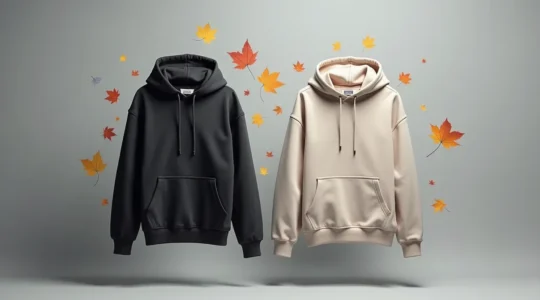
Beyond GSM: A Technologist’s Guide to Hoodie Fabric Weight and Layering Strategy
The true performance of a hoodie isn’t defined by its GSM number, but by how its fabric structure and construction function within a dynamic layering system. Heavyweight hoodies (400+ GSM) often cause overheating indoors by trapping heat and moisture, compromising…
Read more
How to Seamlessly Transition Loungewear from Home to the Street
In summary: Prioritize heavyweight fabrics (over 250 GSM) as they provide structure and look more luxurious. Create “structural contrast” by pairing soft loungewear with rigid items like loafers or a structured blazer. Use the “sandwich method” to balance oversized silhouettes…
Read more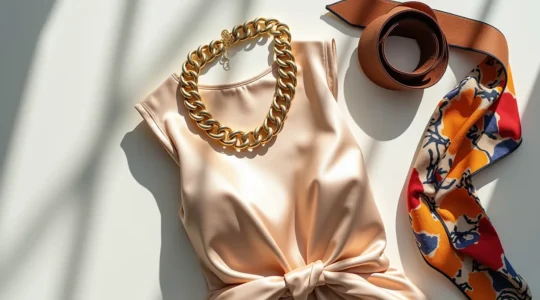
Visual Engineering: How Strategic Accessories Instantly Elevate a Minimalist Wardrobe
The secret to elevating a minimalist wardrobe isn’t buying more clothes; it’s mastering the visual engineering of accessories. Transform neutral outfits by using chunky gold jewelry to strategically manipulate light and add warmth. Apply design principles like the 60-30-10 rule…
Read more
Why Are Heritage Streetwear Logos Resurging in Luxury Collections This Season?
The resurgence of heritage logos is not just nostalgia; it’s the calculated transformation of brand history into a tradable financial asset. Luxury houses are mining their archives for “semiotic capital”—recognizable symbols—to create instant value and cultural relevance. Collaborations and limited…
Read more
Wide-Leg vs. Baggy Jeans: Which Cut Flatters a Petite Frame?
For a petite frame, the key to wearing baggy jeans isn’t avoiding volume—it’s strategically engineering it to create an illusion of height and a powerful silhouette. The right high-rise and inseam combination creates a longer vertical axis, making you appear…
Read more
How to Style Crop Tops Elegantly for Any Body Type—Even in the Office
Contrary to popular belief, the key to elegantly styling a crop top isn’t about having a certain body type—it’s about mastering visual architecture. The 1/3 top to 2/3 bottom ratio is non-negotiable for creating a balanced, elongated silhouette. Fabric choice,…
Read more
Y2K Aesthetic for Adults: How to Wear the Trend Without Looking Like a Teenager?
Adopting the Y2K trend as an adult isn’t about reliving your teenage wardrobe; it’s about reinterpreting its playful energy with sophistication. Success lies in mastering styling principles like proportional contrast and textural dialogue, not just collecting nostalgic items. A modern…
Read more